PYP IB Program Tutoring Online: Small Learners, Big Thinking
When children are young, learning is not about collecting answers. It is about asking better questions. That belief sits at the heart of the IB Primary Years Programme, where curiosity, reflection, and understanding matter more than memorization.
As families navigate busy schedules, global moves, and evolving classroom demands, PYP IB Program Tutoring Online has quietly become a powerful support system. Not to replace school learning, but to deepen it. Not to rush children ahead, but to help them think better.
This article explores how online tutoring nurtures big thinking in small learners, one thoughtful conversation at a time.
What is PYP IB program tutoring online and how does it support big thinking?
PYP IB program tutoring online is designed around inquiry, not instruction. Instead of telling children what to think, tutors guide them on how to think.
Online sessions typically focus on:
- Understanding central ideas from units of inquiry
- Making connections across subjects like language, math, science, and social studies
- Encouraging students to explain their thinking rather than give short answers
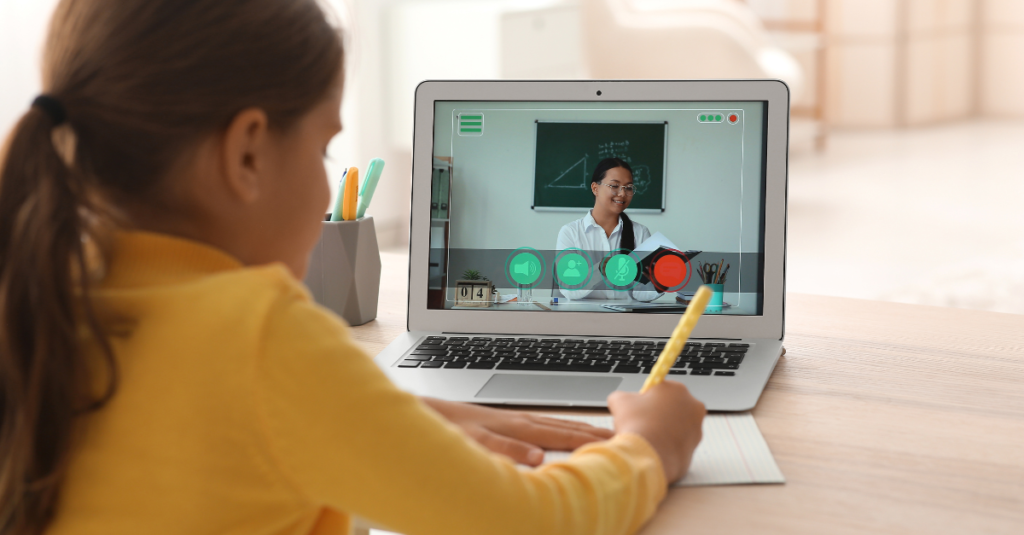
What makes this approach effective is its flexibility. Children are often more relaxed in familiar home environments, which leads to better participation and honest questioning. Tutors can slow down when a concept feels confusing or go deeper when curiosity sparks.
Big thinking in PYP looks like:
- Asking “why does this happen?”
- Connecting classroom learning to real-life situations
- Reflecting on mistakes without fear
Online tutoring creates a safe space for these habits to grow.
Why is PYP one on one tutoring important for young IB learners?
Every PYP learner is different. Some children love to talk through ideas. Others need time, visuals, or gentle prompts. PYP one on one tutoring respects this individuality.
In a one-on-one setting, tutors can:
- Adjust explanations to suit a child’s learning style
- Spend time unpacking questions instead of rushing to answers
- Build confidence in children who hesitate to speak up in class
This personalized attention is especially valuable during early years, when learning habits are still forming. A child who feels heard is more likely to think deeply and express ideas clearly.
Here is a simple comparison:
| Group Learning | PYP one on one tutoring |
| Fixed pace | Child-led pace |
| Limited speaking time | Full attention on the learner |
| General feedback | Specific, meaningful feedback |
| Focus on completion | Focus on understanding |
Over time, this approach strengthens communication skills, independence, and self-belief.
What should parents look for in the best PYP tutoring websites?
Choosing from best PYP tutoring websites can feel overwhelming. Many platforms promise results, but PYP success is not measured only by grades.
Parents should look beyond marketing claims and focus on alignment with PYP philosophy.
Key qualities to look for:
- Tutors who understand inquiry-based learning
- Sessions that encourage dialogue, not lectures
- Clear communication with parents about progress
It also helps to observe how a platform treats mistakes. In strong PYP environments, errors are seen as learning opportunities, not failures.
A helpful checklist for parents:
- Are sessions interactive rather than worksheet-driven?
- Does the tutor ask open-ended questions?
- Is the child encouraged to reflect after learning?
- Are lessons connected to school units of inquiry?
Best PYP tutoring websites act as partners in learning, not shortcuts to quick answers.
How do PYP curriculum tutors online strengthen inquiry-based learning?
PYP curriculum tutors online play a unique role. They do not replicate classroom teaching. Instead, they extend it.
Their work often includes:
- Clarifying concepts introduced at school
- Helping students organize ideas for projects and presentations
- Encouraging connections between subjects and everyday life
For example, a unit on communities may turn into discussions about family roles, local environments, or cultural practices. Tutors guide students to see these links, strengthening conceptual understanding.
Here is how inquiry grows with the right support:
- Child asks a question
- Tutor helps refine the question
- Child explores ideas through discussion or examples
- Tutor encourages reflection
- Child forms deeper understanding
This process builds skills that last far beyond primary school.
Why online support works especially well for PYP learners
Young learners respond well to structure mixed with warmth. Online tutoring offers both.
Benefits include:
- Familiar home environment
- Flexible scheduling across time zones
- Consistent routines that reduce learning stress
Most importantly, children learn to express ideas verbally, a key skill in PYP. Speaking about thinking helps children understand their own learning processes.
How parents can support the tutoring journey
Parents do not need to sit through every session. But small actions make a big difference.
Helpful parent practices:
- Ask children what they discussed, not what they completed
- Encourage curiosity instead of rushing to correct answers
- Share school themes with tutors for better alignment
When home, school, and tutoring connect, learning feels meaningful rather than fragmented.
A gentle reminder about progress
Progress in PYP does not always look dramatic. Sometimes it shows up as:
- Better questions
- Longer explanations
- More confidence in sharing ideas
These quiet changes signal real growth.
Curious Questions from Parents
Instead of traditional FAQs, here are some thoughtful reflections parents often have.
1. Is my child too young for structured online learning?
PYP IB Program Tutoring Online is structured, but not rigid. Sessions are designed to feel like guided conversations, not formal classes.
2. Will tutoring make my child dependent on help?
Quality tutoring builds independence. Children learn strategies to think through problems on their own.
3. What if my child already does well in school?
Strong learners benefit too. Tutoring helps deepen understanding and stretch thinking beyond surface-level success.
4. How often should sessions happen?
Consistency matters more than frequency. Even one well-planned session a week can make a difference.
Final thoughts: Small learners, truly big thinking
Children are naturally curious. With the right guidance, that curiosity becomes understanding, confidence, and lifelong learning habits. PYP IB Program Tutoring Online supports this journey gently, thoughtfully, and effectively.
When learning feels safe, personal, and meaningful, children do not just keep up. They grow.
If you are looking for thoughtful, inquiry-aligned online support that respects how children learn, Eclassopedia offers personalized guidance designed around the PYP philosophy.
Help your child think deeply, ask boldly, and learn joyfully with Eclassopedia.


